
Key Takeaways
- IVF fertilization occurs in a lab where eggs and sperm unite, either via conventional insemination or Intracytoplasmic Sperm Injection (ICSI), marking the beginning of embryo development.
- The IVF embryo progresses through critical stages: fertilization, cleavage, blastocyst formation, and implantation, with precise monitoring to ensure healthy embryo selection for transfer.
- High-quality embryos, characterized by minimal fragmentation and uniform cell division, significantly increase the chances of successful implantation and pregnancy.
- Blastocyst (Day 5) embryo transfers generally have higher implantation rates compared to Day 3 transfers, offering a more developed and ready embryo for implantation.
- Single embryo transfer (SET) reduces risks of multiple pregnancies and offers high success rates, while multiple embryo transfers (DET) may be considered in specific cases, balancing risks and benefits.
- IVF success rates are influenced by factors like maternal age, embryo quality, and sperm health. At WeCare IVF Center, we achieve an 80-90% success rate with advanced technology and expert care.
- Egg cryopreservation (oocyte freezing) allows women to preserve fertility at a younger age, improving IVF outcomes by using high-quality eggs later in life, offering more flexibility in planning.
- Proper preparation and post-transfer care, including rest, hydration, and balanced nutrition, are essential for maximizing IVF success and ensuring healthy implantation after embryo transfer.
Imagine the moment you’ve dreamed of: holding your baby, a precious life cultivated with hope, unwavering dedication, and scientific precision. For many aspiring parents, the path to conception can be a challenging one, yet the IVF embryo journey offers a beacon of light. It’s a profound process that transforms the dream of family into a tangible reality, guiding you through each delicate step from fertilization to development, and ultimately, to transfer. At WeCare, recognised as the best IVF center in Chittoor District, we’ve witnessed countless families embrace this journey, celebrating an extraordinary 80-90% IVF success rate, significantly higher than industry averages, all thanks to our imported US & German equipment and dedicated specialists. We believe that every family deserves this chance, which is why we offer affordable IVF at just ₹2 Lakhs, with accessible EMI plans available. This isn’t just a medical procedure; it’s a meticulously guided voyage to new life, and we are here to chart every chapter with you.
Understanding Embryo Fertilization in IVF
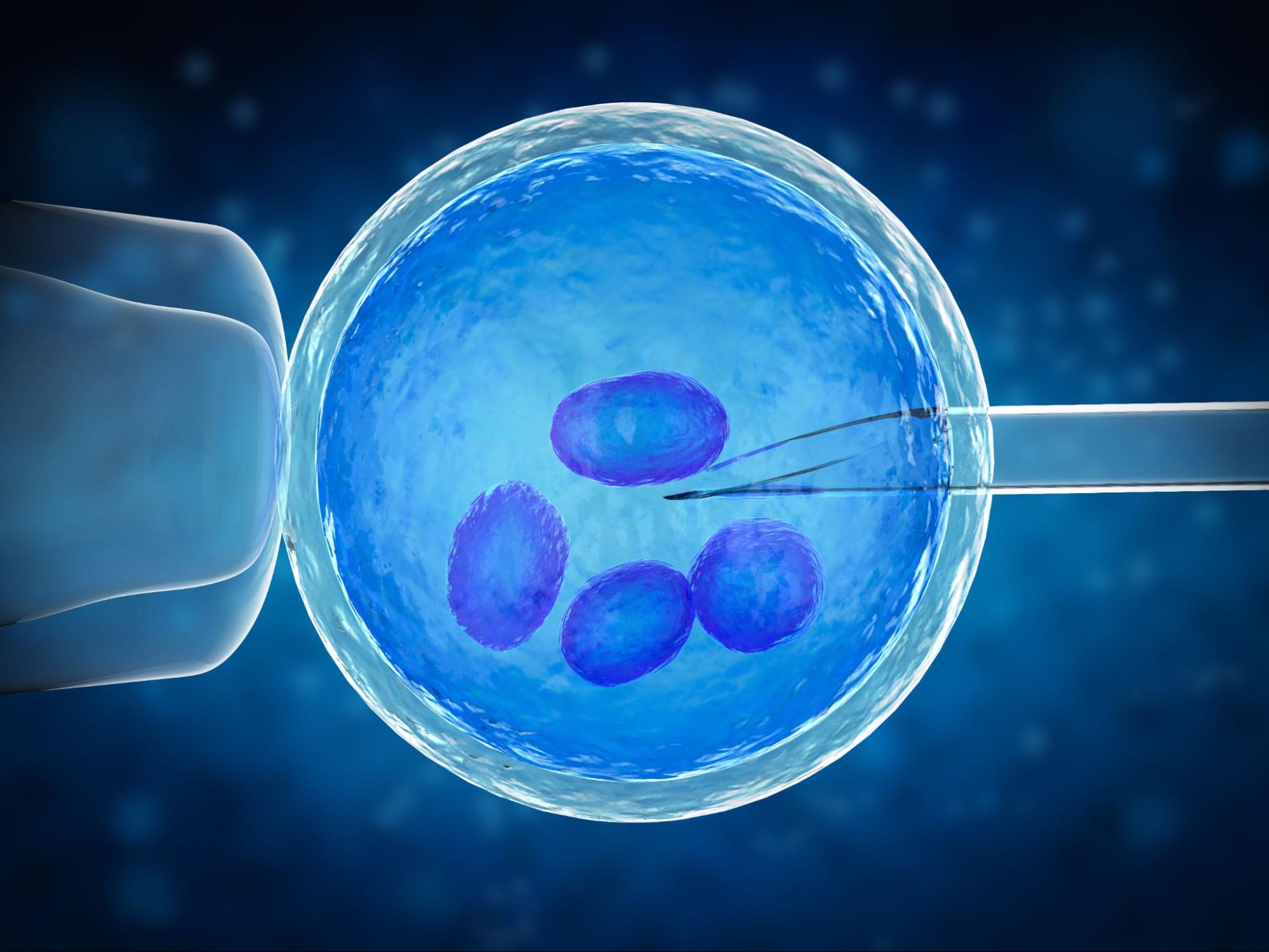
The first chapter in this incredible story of life begins with embryo fertilization in the nurturing environment of our state-of-the-art laboratory. This controlled process allows eggs and sperm to unite outside the body, sparking the initial formation of your future child. After the careful retrieval of mature eggs, they are lovingly placed in a petri dish and introduced to sperm. This crucial union typically occurs within 18 hours. Fascinating fact: Fertilisation can happen either through conventional insemination, where sperm and eggs are simply mixed, or via intracytoplasmic sperm injection (ICSI), a precise method where a single, healthy sperm is directly injected into an egg. This precision is a hallmark of the IVF process, meticulously monitored by our expert embryologists. Once fertilised, that single cell, now a zygote, begins its miraculous journey of division, marking the very start of your baby’s embryo development. This early stage is vital; our team rigorously monitors every cell division and assesses embryo quality over 2–5 days, ensuring only the healthiest embryos are chosen for transfer or freezing. This understanding truly helps manage expectations and highlights the precision involved in achieving IVF success.
Stages of Embryo Development in IVF

As your unique journey progresses, the embryo development unfolds through a precise, awe-inspiring timeline, each stage a testament to healthy growth and readiness for transfer. Fascinating fact: From a single cell zygote, in just 24 to 30 hours, it divides into two cells, then continues its daily transformation.
The Four Key Stages of Embryonic Development
Each beat of this tiny new life marks progress through four crucial stages, essential for a healthy pregnancy:
- Fertilization: The sperm and egg unite, forming that single-cell zygote, truly marking the start of a unique life.
- Cleavage: Over Day 2 and Day 3, rapid cell division transforms the zygote into a multi-cell embryo (typically 4 cells by Day 2, and 8 cells by Day 3, known as the cleavage stage), without increasing its overall size.
- Blastocyst Formation: By Day 5, the embryo becomes a hollow structure with an inner cell mass and fluid-filled cavity—a blastocyst, perfectly ready for implantation.
- Implantation: The blastocyst gently attaches to the uterine lining, initiating the pregnancy.
Each of these 4 stages of embryonic development is carefully observed and documented during IVF, as our embryologists select embryos with the highest potential for implantation. Understanding these stages illuminates why timing and embryo quality are so vital for success.
Embryo Quality and Its Impact on IVF Success
The quality of embryos is one of the most critical factors influencing IVF success rates. Hope-giving fact: High-quality embryos, characterised by uniform cells, minimal fragmentation, and appropriate cell numbers for their developmental stage, significantly increase the chances of successful implantation and pregnancy. Our embryologists meticulously grade embryos daily, typically on Day 3 and Day 5, to select the very best candidates for transfer. It’s a meticulous process where expertise truly shines, ensuring you have the strongest possible start. For instance, Mrs. Priya and Mr. Rajesh, a couple from Bangalore with advanced maternal age, found their dream of twins came true with us, thanks to our careful selection and the 80% success rate that “wasn’t just a number – it became our reality”. We focus on transferring a single, top-grade embryo to maximise your pregnancy chances while minimising risks, offering hope and peace of mind.
IVF Treatment Stages Leading to Embryo Transfer
The journey to parenthood with IVF involves several carefully coordinated IVF stages, all precisely timed to maximise success before the embryo transfer timing. Your chapter begins with ovarian stimulation, where fertility medications gently encourage multiple eggs to mature. Throughout this phase, regular ultrasounds and blood tests diligently monitor follicle growth, ensuring optimal readiness.
Next comes egg retrieval, a minor, expertly performed procedure to collect those mature eggs from your ovaries. Simultaneously, sperm is meticulously prepared for fertilisation. The moment of fertilisation itself unfolds in our advanced lab, either by mixing sperm with eggs or by using ICSI for direct sperm injection.
Following fertilisation, your precious embryos are cultured for 3 to 5 days, allowing our embryologists to observe their development and select the healthiest ones for transfer. This stage ensures that only embryos with the very best implantation potential proceed, embodying our commitment to your success. This careful IVF process culminates in the embryo transfer, where selected embryos are lovingly placed into the uterus, aiming for that successful implantation and the beginning of your pregnancy.
Embryo Transfer Procedure Explained
The embryo transfer is a simple, often painless procedure that marks a pivotal moment, gently placing selected embryos into the uterus to initiate your pregnancy. Typically performed 2 to 5 days after fertilisation, the exact embryo transfer procedure timing depends on your embryo’s development and your doctor’s expert recommendation. Imagine the tiny beacon of hope being gently guided home: the procedure uses ultrasound guidance to ensure precise placement of embryos in the optimal uterine location, significantly increasing implantation chances.
During the transfer, a thin, soft catheter gently passes through the cervix, depositing one or two high-quality embryos. Most transfers are quick, taking just a few minutes, and do not require anaesthesia. Afterwards, you’ll rest briefly before heading home, with minimal restrictions, carrying the hope of new life within you. This quick, minimally invasive, and painless procedure is a testament to the advancements in fertility treatment, helping to ease anxiety as you approach this crucial step toward pregnancy.
Day 3 vs. Blastocyst (Day 5) Embryo Transfer: Which is Better?

Choosing the optimal timing for your embryo transfer is a decision carefully tailored to your unique circumstances. Fascinating fact: Blastocyst (Day 5) embryo transfers generally offer higher implantation rates compared to Day 3 transfers. By Day 5, embryos have developed to the blastocyst stage, showing better selection potential and readiness for implantation, with studies reporting implantation rates around 47% for blastocyst transfers versus about 20% for Day 3.
However, Day 3 transfers remain a viable and valuable option, especially when embryo numbers are limited or in cases where extended culture might risk embryo viability. Day 3 transfers might involve transferring more embryos, which can increase the risks of multiple pregnancies. The choice between Day 3 embryo transfer and blastocyst transfer depends on critical factors like embryo quality, patient age, and clinical protocols. Your specialist will compassionately tailor the approach to maximise your chances while ensuring safety and peace of mind.
Single vs. Multiple Embryo Transfer and Success Rates
The decision of single vs. multiple embryo transfer is deeply personal, guided by a balance of achieving high success and ensuring the safest outcome for both mother and baby. Hope-giving fact: Single embryo transfer (SET) offers a high success rate while significantly minimising risks associated with multiple pregnancies. Studies show that SET yields a live birth rate of about 41.3%. While transferring two embryos (DET) can increase clinical pregnancy rates (up to 47.1%), it also raises the chance of twins, which carry higher health risks for both mother and babies.
Choosing SET is particularly beneficial for younger patients with good-quality embryos, balancing success with safety. DET may be considered when embryo quality is lower or previous attempts have not yielded success, always with a thorough discussion of potential complications. At WeCare, we aim to maximise healthy pregnancy outcomes, advising SET whenever possible.
IVF Success Rates and Influencing Factors
IVF success rates are a testament to scientific advancement and dedicated care, varying widely yet offering immense hope. These rates are primarily influenced by age, embryo quality, and the number of embryos transferred. Hope-giving fact: Women under 35 typically experience live birth rates close to 55%. While success rates may decline with advancing age due to diminished ovarian reserve, it’s important to remember that older women producing high-quality embryos can still achieve comparable outcomes.
Other key factors impacting success include:
- The duration and cause of infertility.
- The number of previous IVF attempts.
- Embryo grading and its developmental stage (Day 3 vs. Day 5).
- The clinic’s expertise and laboratory technology.
We at WeCare are incredibly proud of our 80-90% IVF success rate, which we achieve through our experienced specialists, gold-medalist doctors with 20+ years of expertise, and our international standard lab equipped with imported US & German technology. We’ve successfully handled over 80 IVF cases in the past year alone, crafting heartwarming success stories. For example, Mr. & Mrs. Kumar from Palamaner, first-time parents, celebrated a 90% success rate with us, made possible by our expertise and our flexible 5-month EMI plan, proving that world-class care is truly affordable. Transferring a single high-quality embryo balances success with reduced risks of multiple pregnancies. Understanding these factors helps us set realistic expectations and guides our personalised treatment plans to significantly improve your chances.
The Role of Oocyte Freezing in IVF Outcomes

The ability to freeze oocytes (egg cryopreservation) represents a remarkable leap in fertility treatment, offering incredible flexibility and improving IVF success. This technology empowers women to preserve their fertility at a younger age, when egg quality is higher, leading to potentially better IVF outcomes later. Hope-giving fact: Studies show that frozen eggs have an impressive 81.4% survival rate after thawing, with fertilisation and pregnancy rates comparable to fresh eggs. This means patients can achieve similar implantation and live birth rates using frozen-thawed oocytes. Oocyte freezing also enables more personalised IVF planning and reduces the pressure to conceive immediately, offering you greater control over your reproductive choices without compromising success.
From Embryo to Fetus: What Happens After Transfer?
After the embryo transfer, the next chapter of your journey to pregnancy begins with the crucial step of implantation, typically occurring within 1 to 2 days. The blastocyst gently attaches to the uterine lining, embedding itself around Day 6 to 9 post-fertilisation. This critical step triggers a cascade of hormonal changes that lovingly support and nurture your nascent pregnancy.
Following successful implantation, your embryo to fetus undergoes a period of rapid growth and awe-inspiring organ formation. By the 8th week, your little one is officially called a fetus, with developing facial features, tiny limbs, and functioning organs like kidneys, with that beautiful heart beating steadily. Around embryo week 9, your baby’s sex is genetically determined, though it may not be visible on ultrasound yet. Imagine every beat of that tiny heart, every forming feature, a testament to the journey you’ve embarked on. The first trimester is a vital period, as major systems form, laying the foundation for a healthy pregnancy. At WeCare, we provide comprehensive maternity care – from normal delivery to high-risk pregnancy management – ensuring optimal fetal development.
Preparing for and Recovering from Embryo Transfer
As you approach this pivotal moment, proper preparation and diligent post-transfer care can significantly improve your comfort and potentially enhance implantation success. Before the embryo transfer procedure, meticulously follow your clinic’s instructions, including medication schedules like progesterone supplements, vital for preparing your uterine lining. Prioritise gentle activities and maintain a balanced, nourishing diet to support your body’s incredible work.
After the transfer, a period of mindful rest is important, though complete bed rest is usually unnecessary. Light activities such as walking are gently encouraged, while heavy lifting, intense exercise, and sexual intercourse should be avoided until your doctor advises otherwise. Continue to stay wonderfully hydrated and nourish yourself with nutritious meals, just as if you are already pregnant.
It’s normal to experience common post-transfer symptoms like mild cramping, light spotting, or fatigue. These are usually normal, but always report any severe pain or heavy bleeding to your healthcare team. Remember, emotional support during this period is absolutely vital to manage anxiety and stress. At WeCare, we are dedicated to providing complete women’s healthcare, including counselling and unwavering support through every step of your IVF stages. Families across Andhra Pradesh, like Mrs. Lakshmi Devi from Chittoor, have chosen WeCare not just for our state-of-the-art equipment but also for our caring staff and hassle-free treatment, reinforcing our commitment to accessible, world-class care.
Conclusion: Key Takeaways and Next Steps
Understanding the IVF embryo journey—from the miracle of fertilization to the hopeful transfer—is essential for making informed decisions and managing your expectations with peace of mind. Knowing the key stages of embryo development, the differences between Day 3 and blastocyst transfers, and the profound impact of embryo quality empowers you to engage confidently with your fertility specialist.
As you embark on this beautiful path, remember that at WeCare, we have over 80+ successful IVF cases in the past year, a testament to our expertise and compassion. A couple from Tirupati, for instance, found their long-awaited hope right here in Palamaner, welcoming their twins thanks to our affordable IVF package and EMI option. We are deeply committed to making world-class medical care accessible and affordable, with comprehensive insurance coverage and EMI plans available.
Your next steps to support your IVF success include:
- Follow your clinic’s preparation and post-transfer care instructions meticulously.
- Prioritise rest, hydration, and balanced nutrition during the two-week wait.
- Communicate openly with your healthcare team about any concerns or symptoms.
- Consider single embryo transfer to lovingly reduce risks while maintaining high success rates.
Every IVF journey is unique, a deeply personal chapter in your story. Staying informed and proactive significantly enhances your chances of a healthy pregnancy and a positive outcome. At WeCare, we are here 24/7 to help you write your own success story, offering advanced fertility care since 2014. Ready to write your own success story? Call us for a free consultation.
Frequently Asked Questions (FAQs)
1. How long after fertilization does embryo transfer usually happen?
Embryo transfer typically occurs between 2 to 5 days after fertilization. Most commonly, transfers are done on Day 3 (cleavage stage) or Day 5 (blastocyst stage), depending on embryo development and clinic protocols.
2. What factors influence the success rate of embryo transfer in IVF?
Success rates depend on several factors including embryo quality, maternal age, the number of embryos transferred, uterine health, and the timing of the transfer. Advanced embryo grading and genetic testing can also improve outcomes.
3. Is it better to transfer one embryo or multiple embryos?
Single embryo transfer is generally preferred to reduce the risk of multiple pregnancies, which can carry higher health risks. However, in some cases, transferring two embryos may be recommended based on patient history and embryo quality.
4. Can frozen embryos be used for transfer, and are success rates different?
Yes, frozen embryo transfers (FET) are common and success rates are often comparable to fresh embryo transfers. Freezing allows flexibility in timing and can improve uterine receptivity.
5. What should I expect during and after the embryo transfer procedure?
The transfer is a quick, usually painless procedure guided by ultrasound. Afterward, light activity and rest are recommended, but complete bed rest is generally not necessary. Mild cramping or spotting may occur, but severe pain should be reported to your doctor.
“Take the first step towards parenthood with WeCare IVF Center. Book your free consultation today and let our expert team guide you through your IVF journey!”
Leave a Reply