
Key Takeaways
- Egg retrieval, or oocyte collection, is a minimally invasive procedure where mature eggs are collected from the ovaries, preparing them for fertilization in IVF.
- The procedure is guided by ultrasound, and the retrieval takes about 15-30 minutes with mild sedation to ensure comfort and safety for the patient.
- Follow instructions for timing the HCG trigger shot, avoid alcohol or smoking, and ensure a trusted companion is available for post-procedure care.
- Expect mild cramping, bloating, or spotting post-procedure. Rest and stay hydrated for optimal recovery, with most women resuming normal activities within 1-2 days.
- Age, egg quality, sperm health, and the number of eggs retrieved all play critical roles in IVF success rates. Younger women generally see higher success rates.
- Pain is minimal due to sedation, and light bleeding or spotting is common. Contact the clinic if severe symptoms occur, such as heavy bleeding or intense pain.
- WE CARE IVF Center offers an 80-90% success rate, with advanced US & German equipment and expert fertility specialists, ensuring the highest standards of care.
- Consider success rates, experienced staff, advanced technology, patient support, and clinic location when choosing an IVF clinic for your egg retrieval and fertility journey.
Are you exploring your fertility options and wondering if In Vitro Fertilisation (IVF) is the right path for you? We understand this journey can feel overwhelming, filled with questions and hopes. As your fertility mentor, we’re here to guide you through one of the most pivotal steps in the IVF process: egg retrieval. This detailed guide is designed to make complex medical topics accessible, offering you reassurance and practical insights. We believe that understanding each step can significantly reduce anxiety and help you feel more prepared for your IVF journey. Together, we’ll explore what egg retrieval involves, what to expect, and how we’ll support you through every stage.
What is Egg Retrieval in IVF?
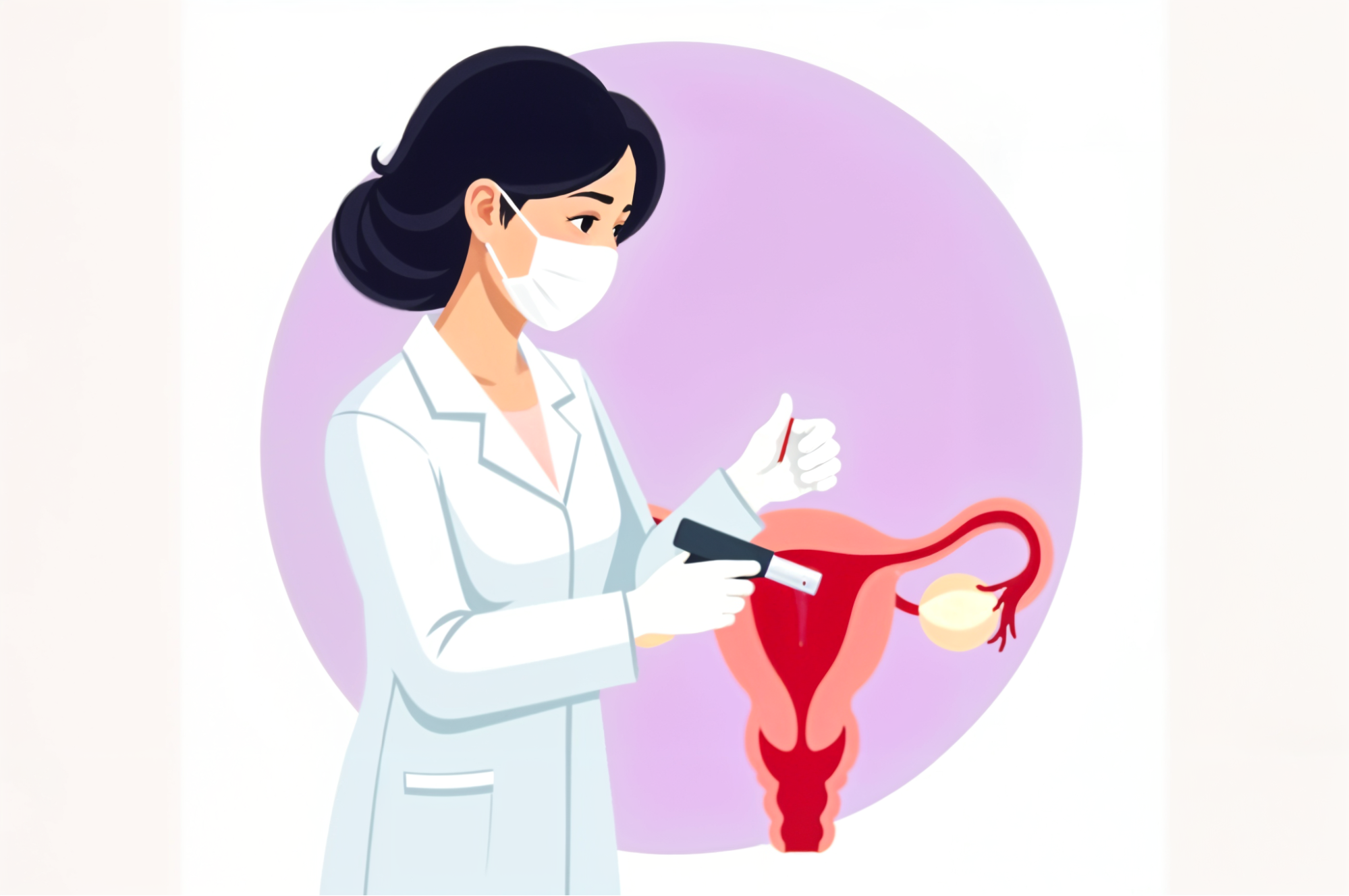
Here’s what to expect: Egg retrieval, also known as oocyte retrieval or egg collection, is a crucial, minimally invasive procedure at the heart of the IVF treatment. It’s the moment we collect the mature eggs from your ovaries, setting the stage for the creation of embryos. This carefully timed procedure is typically scheduled approximately 36 hours after you receive a special HCG trigger injection. This injection is vital as it helps prepare your eggs for collection, ensuring they are at the optimal stage for retrieval.
During the procedure, we use ultrasound guidance to carefully insert a thin needle through the vaginal wall. This allows us to precisely reach your ovarian follicles and gently aspirate the fluid containing your eggs. What many couples ask us about is the duration and comfort level; you’ll be pleased to know it generally takes about 15–30 minutes under mild sedation, ensuring you remain comfortable and pain-free throughout. There are no surgical cuts or stitches involved. We understand it’s a significant moment, and our goal is always your comfort and safety. This step is vital because the number and quality of eggs we retrieve directly influence your chances of creating healthy embryos and achieving a successful pregnancy.
The Egg Retrieval Procedure: Step-by-Step
We want you to feel fully informed about each stage of the egg retrieval process. Here’s a detailed walkthrough, helping you visualise what happens:
Preparing for Egg Retrieval
Before you start treatment, proper preparation can make your egg retrieval smoother and less stressful. We’ll guide you through everything you need to do. Remember that vital HCG trigger injection we discussed? It’s administered about 36 hours before your procedure to mature the eggs. On the day of your retrieval, we ask you to arrive at the clinic about 30 minutes early for final checks and pre-procedure preparations.
Here are some important checkpoints and caring observations we share with all our patients to help you prepare effectively:
- Follow medication instructions carefully, especially the precise timing of your trigger shot. This is critical for optimal egg maturity.
- We strongly advise you to avoid alcohol, smoking, and recreational drugs. These can impact egg quality and increase the risk of complications, and we want to maximise your chances.
- Eat a light, healthy meal a few hours before the procedure, unless we’ve given you different instructions. This helps keep you comfortable.
- Wear comfortable, loose-fitting clothes and consider bringing a warm pair of socks for comfort during sedation. Your ease is important to us.
- Arrange for a trusted companion to drive you home. Sedation affects your coordination and alertness, and we want you to be safe.
- Get plenty of rest and manage stress. Many patients find relaxation techniques like deep breathing or gentle yoga helpful in the days leading up to the procedure. We’ll support you through any anxieties you may have.
- In clinics in India, we often accommodate cultural considerations, like family involvement and dietary preferences, to ensure you feel fully supported.
The Retrieval Process Explained

Here’s what to expect during the procedure itself: Egg retrieval is a carefully controlled and minimally invasive procedure. About 36 hours after your HCG trigger injection, you’ll arrive at the clinic where we’ll administer mild sedation. This ensures your comfort without the need for full general anaesthesia.
This is how the process unfolds:
- With the help of advanced ultrasound guidance, a thin needle is inserted through the vaginal wall, reaching each ovarian follicle precisely. Many fertility centres in India utilise advanced ultrasound machines and sedation protocols to ensure patient comfort.
- The fluid inside each follicle is then gently aspirated or suctioned out with the needle. This detaches and collects the eggs.
- Once all follicles have been aspirated, your doctor will examine your ovaries and vaginal wall to ensure everything is safe after the needle is removed.
- The entire procedure usually lasts 15–30 minutes.
- Within 24 hours, our dedicated embryology team will meticulously assess the retrieved eggs for maturity and quality. Typically, around 80% of collected eggs are suitable for fertilisation or freezing. This meticulous assessment is a pivotal step towards successful embryo creation.
What Happens After Egg Retrieval?
Here’s what to expect immediately after egg retrieval: Your body will begin its recovery process, which is usually quite quick but requires gentle care. Most women experience mild cramping, bloating, or spotting. This is very common and can feel similar to light menstrual discomfort. Feeling a little woozy from the sedation is also normal but typically fades within a few hours.
To support your healing and prepare you for the next exciting IVF steps, we strongly advise you to follow these tips:
- Rest for the remainder of the day and avoid any strenuous activities.
- Stay well-hydrated by drinking plenty of water.
- Eat a balanced diet rich in protein and whole foods. Think lean meats, fish, legumes, fruits, and vegetables – these help support your body’s healing.
- It’s important to monitor for any severe pain, heavy bleeding, or sudden swelling. While rare, contact your clinic immediately if these occur.
- Use pain relief medications only as advised by your doctor if needed.
Most patients find they can resume their normal activities within 24–48 hours. Meanwhile, your retrieved eggs will be in our lab, being assessed for their potential to become healthy embryos – a truly critical phase!
Success Rates and Factors Affecting IVF Outcomes
Many couples ask us about IVF success rates. It’s important to understand that these rates vary widely and are influenced by several key factors. We believe in setting realistic expectations and guiding you through your personalised treatment plan.
Here’s what to expect regarding success:
- Maternal age is the most significant factor. Younger women generally have higher chances of pregnancy and live birth. For example, women under 35 often see success rates around 40%, while those over 40 may have rates closer to 10-15%.
- Egg and embryo quality are paramount; healthy eggs and embryos significantly increase implantation chances.
- Sperm quality (count and motility) also plays a crucial role in supporting fertilisation.
- The number of eggs retrieved can improve the odds, but we always emphasise that quality is more important than quantity.
- The type of fertility issue you are facing can also influence how well IVF works for you.
- Advanced laboratory conditions and techniques are vital for enhancing embryo development.
We’ll support you in managing stress, maintaining a healthy BMI, and diligently following all medical advice, as these can also improve your outcomes. It’s reassuring to know that in India, many IVF clinics are now reporting success rates that are comparable to global standards, particularly in metropolitan areas with advanced fertility centres. For instance, the WE CARE IVF Center proudly states an 80-90% IVF Success Rate, which is significantly higher than industry averages, attributed to their experienced specialists and imported US & German equipment. They have successfully handled 80+ IVF cases in the past year and offer affordable care at ₹2 Lakhs with EMI plans and comprehensive insurance coverage.
Understanding Embryo Transfer Success

Here’s what to expect regarding embryo transfer: While having a healthy, high-quality embryo is absolutely crucial for success, it’s not the only piece of the puzzle. The uterine environment plays an equally important role in determining embryo transfer success.
Key factors we consider and manage for optimal embryo transfer include:
- Endometrial thickness and vascularity: A well-prepared and adequately thick uterine lining (endometrium), typically 7-14 mm, significantly improves implantation rates.
- Timing of transfer: Synchronising the embryo development with the uterus’s receptive window is essential for successful implantation. We may use tests like ERA (Endometrial Receptivity Analysis) to personalise your transfer timing, enhancing your chances.
- Embryo quality: High-grade embryos, especially those that are euploid (chromosomally normal), naturally have better implantation potential. We also utilise advanced lab technologies, such as time-lapse incubators, to maintain optimal embryo culture conditions and improve outcomes.
- Maternal age: Again, younger women generally have higher success rates due to better egg and embryo quality.
Together, we’ll explore your options and ensure every factor is optimised to support your journey.
Miscarriage and Complications Rates
Many couples ask us about the potential risks. It’s important to understand that miscarriage rates after IVF are similar to those in natural pregnancies, with about 15-20% of women experiencing early pregnancy loss. Most miscarriages occur within the first trimester, especially before 12 weeks, with up to 80% of losses happening during this period. The risk drops significantly to around 3% after 12 weeks.
While egg retrieval is generally safe, it’s important for you to be aware of the very rare potential complications. These include:
- Ovarian hyperstimulation syndrome (OHSS): This can cause swollen, painful ovaries. We monitor you closely to minimise this risk.
- Bleeding or infection from the needle path.
- Ovarian torsion (twisting): This is uncommon but serious.
- Ectopic pregnancy: Where the embryo implants outside the uterus.
Rest assured, most patients experience only mild cramping or spotting after retrieval, with serious issues occurring in less than 1% of cases. To minimise these rare risks, we provide clear pre- and post-procedure instructions, and we urge you to report any severe pain, heavy bleeding, or fever to your doctor immediately. We are here to support you every step of the way.
Recovery and Aftercare: What to Expect
Here’s what to expect during your recovery: Your comfort and well-being are our priority. Recovery after egg retrieval is generally smooth, and most women feel well enough to resume normal activities within 1–2 days. As we mentioned, mild cramping, bloating, and light spotting are common as your body responds to the procedure and hormone medications. Fatigue from sedation may last a few hours but typically improves by the next day.
To support your healing and comfort, we recommend these aftercare tips:
- Rest adequately on the day of retrieval and avoid heavy exercise for at least 48 hours.
- Stay hydrated and continue to eat a balanced diet rich in protein and fibre to ease digestion and aid recovery.
- Use pain relief medications only as prescribed to manage any discomfort.
- Watch for any signs of complications such as severe pain, heavy bleeding, fever, or rapid weight gain. If these occur, contact your doctor immediately.
Our fertility team will monitor your progress closely and guide you through the next steps, ensuring the IVF process continues smoothly and with great care.
Common Questions About Egg Retrieval in IVF
Many couples ask us common questions about egg retrieval, and we want to address them directly to ease your mind.
Here’s what to expect regarding common concerns:
- Is egg retrieval painful? Most women experience mild discomfort or cramping during and after the procedure, but the mild sedation helps minimise pain significantly.
- How many eggs are retrieved? The number varies greatly by individual ovarian response, typically ranging from 8 to 15 eggs. We always focus on quality over quantity.
- Will egg retrieval harm my ovaries? The procedure is minimally invasive and generally safe, with very rare complications affecting the ovaries.
- Is bleeding normal after retrieval? Light spotting or bleeding is common and usually nothing to worry about. However, heavy bleeding should be reported immediately.
- How long does the procedure take? It usually takes about 15–30 minutes, with sedation ensuring your comfort.
- When can I resume normal activities? Most women recover within 1–2 days, though we advise avoiding strenuous exercise initially.
It’s crucial to contact your fertility specialist promptly if you experience severe pain, rapid weight gain, or difficulty breathing after retrieval, as these may signal ovarian hyperstimulation syndrome (OHSS). We’ll support you through any concerns you have.
Choosing the Right IVF Clinic in India

Before you start treatment, selecting the right IVF clinic is one of the most crucial decisions for a successful and comfortable fertility journey. With many options available, we encourage you to look beyond just advertised success rates to find the best fit for your unique needs. We’ll support you in making an informed choice.
Here are some key checkpoints and caring observations we recommend considering:
- Success rates: Look for clinics with transparent, verified success statistics relevant to your age group and specific treatment type. Discuss these in detail during your consultations; it’s about finding a clinic whose results align with your personal circumstances. For example, some clinics like WE CARE IVF Center highlight an 80-90% IVF Success Rate, along with specific achievements like successfully handling 80+ IVF cases in the past year.
- Expertise and staff: Choose clinics with experienced fertility specialists, embryologists, and a dedicated support team who prioritise personalised care. You want a team that truly understands your journey.
- Technology and facilities: Advanced lab equipment and modern IVF techniques are pivotal for improving embryo quality and implantation chances. Clinics in India, for example, are increasingly comparable to global standards in this regard, and some like WE CARE IVF Center boast imported US & German equipment and international-standard IVF laboratories.
- Patient support: A compassionate, communicative team that guides you through each step can significantly reduce anxiety and build your confidence. We believe in holistic support.
- Location and convenience: Proximity to your home and flexible appointment scheduling can ease the stress of treatment.
We recommend visiting multiple clinics for consultations. This allows you to truly feel the environment, speak with the staff, and make an informed choice that’s tailored to your unique fertility needs and preferences. Together, we’ll explore your options to ensure you feel confident and cared for.
Frequently Asked Questions (FAQs)
Egg retrieval raises many questions, and understanding the answers can ease your IVF journey. Here are some common concerns:
- Is egg retrieval painful?
Most women experience mild discomfort or cramping during and after the procedure, but sedation helps minimize pain.
- How many eggs are retrieved?
The number varies by individual, typically ranging from 8 to 15 eggs, depending on ovarian response.
- Will egg retrieval harm my ovaries?
The procedure is minimally invasive and generally safe, with very rare complications affecting the ovaries.
- Is bleeding normal after retrieval?
Light spotting or bleeding is common, but heavy bleeding should be reported immediately.
- How long does the procedure take?
Usually 15–30 minutes, with sedation to ensure comfort.
- When can I resume normal activities?
Most women recover within 1–2 days, avoiding strenuous exercise initially.
“Ready to start your IVF journey? Contact We Care IVF Center today to schedule a consultation with our expert fertility team and take the first step towards parenthood!”
Leave a Reply